Section 1 of five
Brussels moved first, and it moved by regulation rather than by court
The Digital Markets Act, gatekeeper designations, alternative marketplaces, the Core Technology Fee, and the April 2025 fine — what the EU wrote, what Apple did, and what the Commission did next.
Everything in Brussels
6 pieces-
 Photo: digital-markets-act.ec.europa.eu
Brussels · piece 1
7 March 2024
A chronological account of what changed on the day the Digital Markets Act's obligations became enforceable, and which gatekeepers had been designated by then.
Covers the European Commission's published timeline, the six initial gatekeeper designations, and the specific obligations that came into force for Apple and Google on that date. -
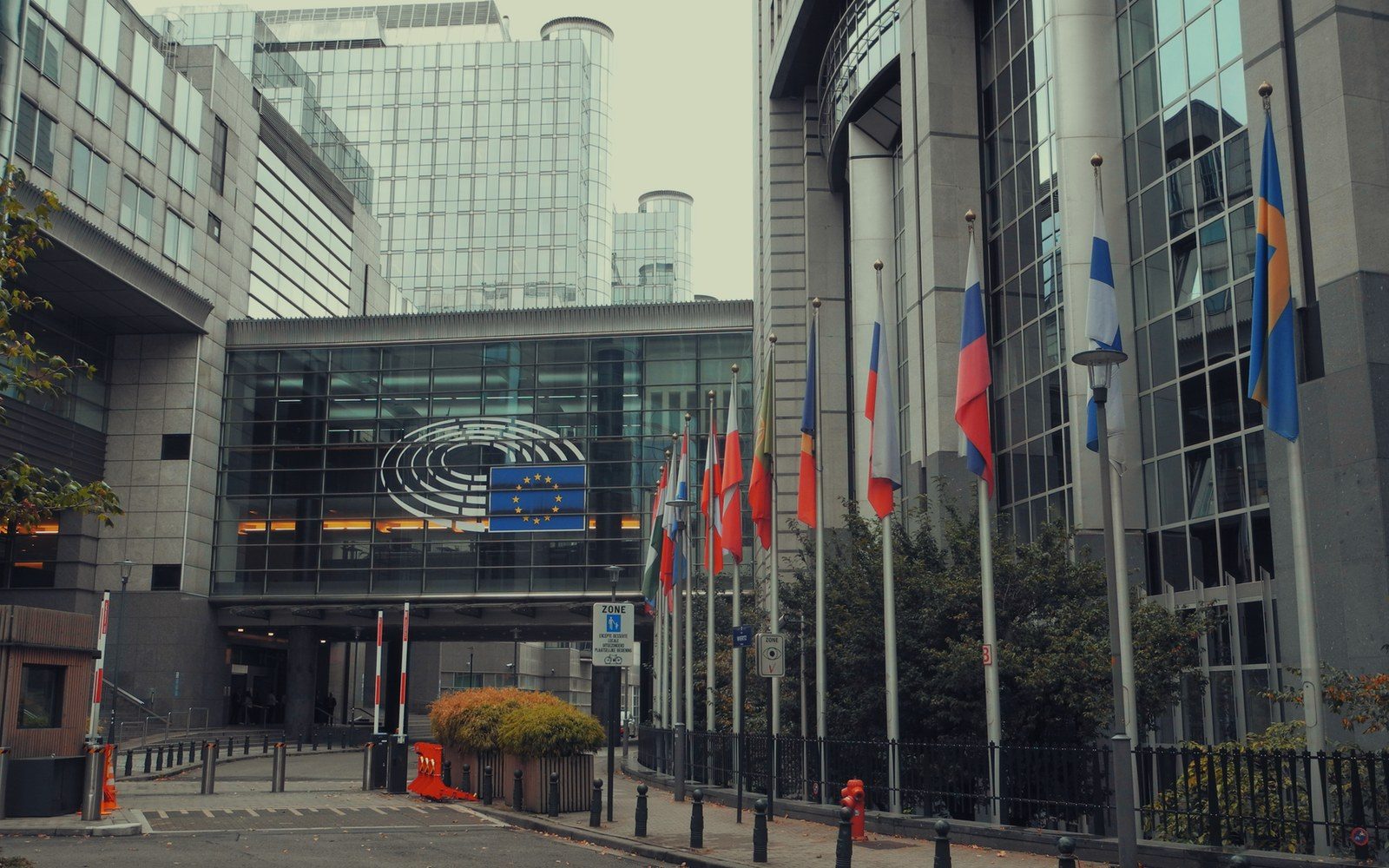 Photo: Leonardo Barucci / Pexels
Brussels · piece 2
Named a Gatekeeper
How the Commission's gatekeeper designation process works under Article 3 of the DMA, and what obligations attach the moment a company receives one.
Compares the designations of Apple, Google, Meta, Amazon, Microsoft and ByteDance, noting which services each covers and which each company contested. -
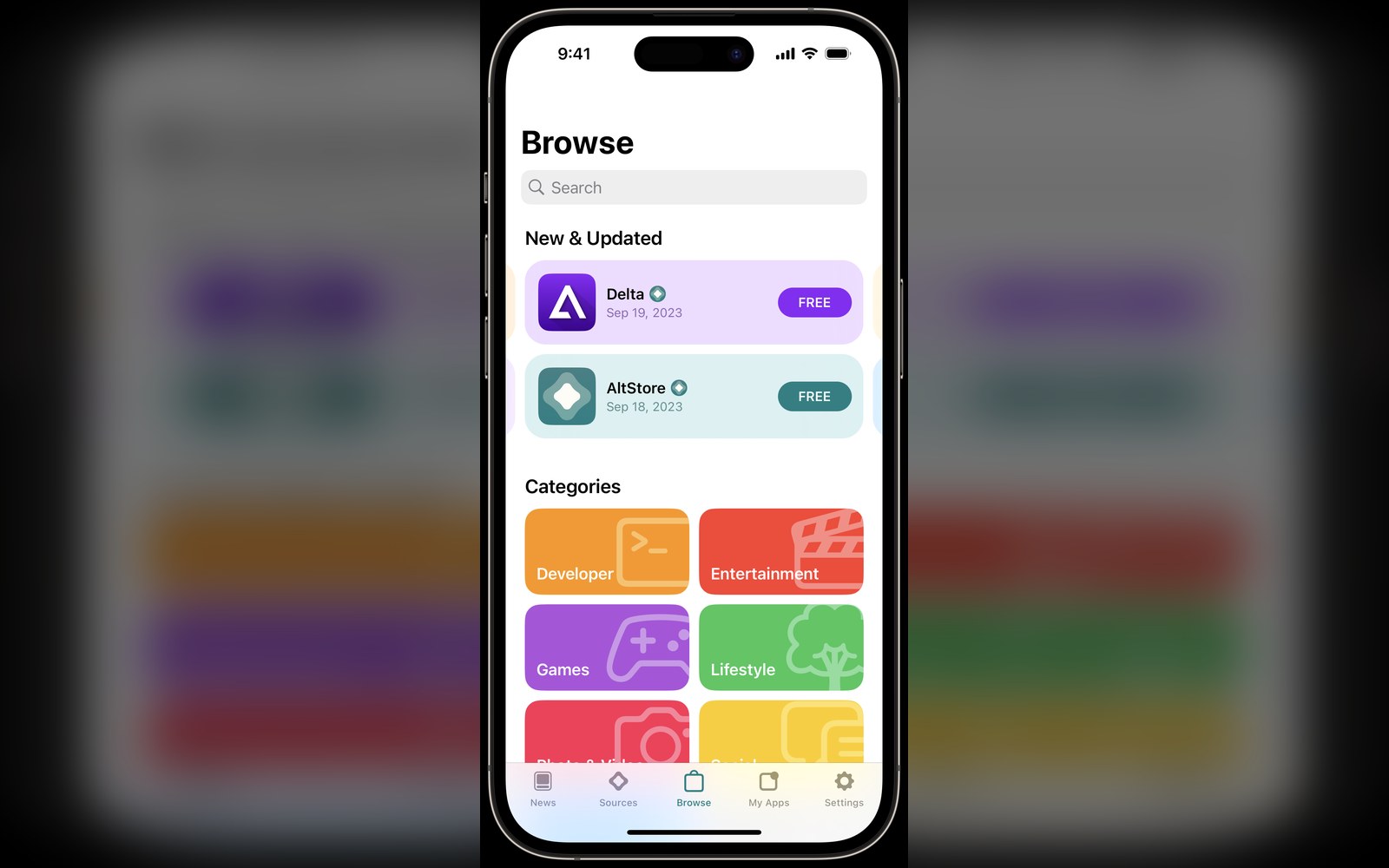 Photo: altstore.io
Brussels · piece 3
AltStore PAL Opened Its Doors
AltStore PAL was the first alternative marketplace to launch in the EU after the DMA took effect; this piece follows its launch conditions, the notarisation requirement Apple imposed, and what it revealed about Apple's interpretation of 'alternative marketplace'.
Sources: AltStore's own announcements and Apple's notarisation policy as published. -
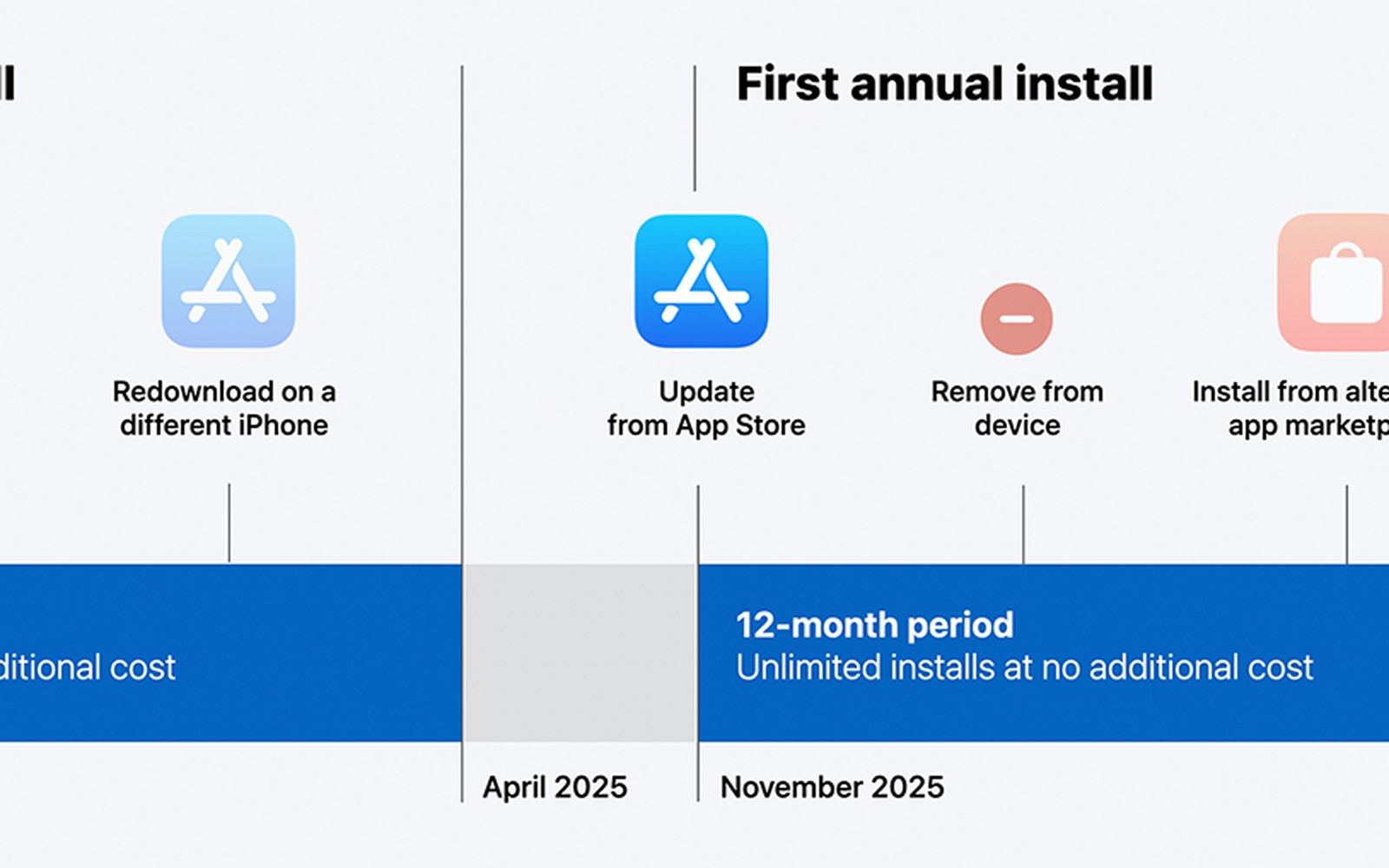 Photo: developer.apple.com
Brussels · piece 4
The Fee Apple Invented
A close reading of Apple's Core Technology Fee — €0.50 per install beyond one million annually — as announced in January 2024, including which developers it applies to, how Apple calculates the threshold, and why the Commission found it inconsistent with the DMA's spirit.
Sources: Apple's published business terms and the Commission's preliminary findings. -
 Photo: Secretary Kerry Delivers a Statement to Reporters at the European Commission Headquarters in Brussels · Wikimedia Commons
Brussels · piece 5
€500 Million, April 2025
The European Commission's April 2025 fine against Apple — the first DMA enforcement penalty — covering the infringement finding, the basis for the quantum, and Apple's stated response.
Every figure attributed to the Commission's published decision. -
 Photo: Aksonsat Uanthoeng / Pexels
Brussels · piece 6
Where the EU's Rule Stops
An argument piece examining how Japan's Smartphone Software Competition Promotion Act, Korea's 2021 in-app payment law, and the UK CMA's mobile ecosystems study each reached similar conclusions by different routes, and where they diverge from the DMA's approach.
Sources: published legislation and the CMA's 2022 final report.