How the European Commission decides who carries the DMA's obligations — and what happens next
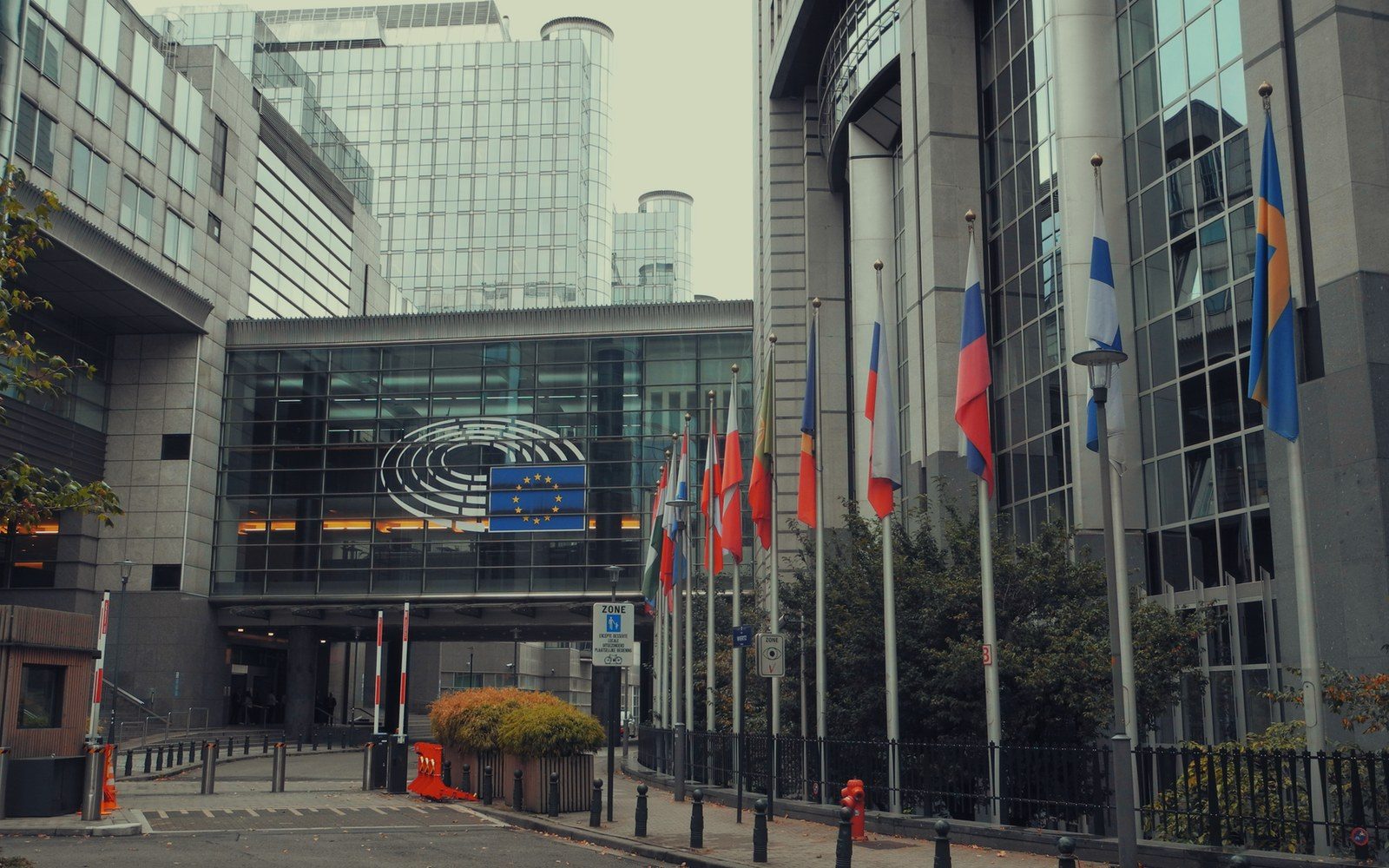
The Digital Markets Act does not regulate the internet. It regulates a short list of companies that the European Commission, sitting in Brussels, has formally determined to control a core platform service on which other businesses depend. That formal determination is called a gatekeeper designation, and the obligations that follow it are immediate, specific and not contingent on any finding of wrongdoing.
What Article 3 actually requires
Article 3 of the DMA ↗ sets two routes to designation. The first is quantitative: a company presumptively qualifies if its core platform service has at least 45 million monthly active end users in the EU and at least 10,000 annual active business users, and if the company has either an annual EEA turnover above €7.5 billion or a market capitalisation above €75 billion in the preceding three years. The second route allows the Commission to designate a company that does not meet those thresholds but whose structural position it finds equivalent in effect. Once designated, a company has six months to comply with the Act's obligations.
The Commission opened its first designation proceedings in May 2023 and issued its initial round of decisions that September. Apple, Alphabet (Google's parent), Meta, Amazon, Microsoft and ByteDance were all named. Each company received a decision covering not the whole business but specific listed services: search engines, social networks, operating systems, browsers, app stores, advertising services, messaging platforms and, in one case, video-sharing. The granularity matters because the obligations attach to each designated service individually — a company that is a gatekeeper for its operating system is not automatically a gatekeeper for every product it ships.

What was designated, and what was fought
The September 2023 decisions covered twenty-two core platform services across the six companies ↗. Apple's designations covered iOS, the App Store, Safari and iMessage; Alphabet's covered Google Search, Google Maps, Google Play, Google Shopping, YouTube, the Chrome browser, Android and Google's advertising services; Meta's covered Facebook, Instagram, WhatsApp and Facebook Marketplace; Amazon's covered Amazon Marketplace and Amazon Advertising; Microsoft's covered Windows PC OS and LinkedIn; ByteDance's covered TikTok.
Not every company accepted its designation quietly. Apple contested the iMessage designation, arguing that the service did not meet the thresholds; the Commission agreed, and in February 2024 iMessage was removed from Apple's list — a rare narrowing. Meta contested Facebook Marketplace and Microsoft contested Bing, Edge and its advertising service in separate proceedings; the Commission ultimately found those three Microsoft services did not meet the gatekeeper threshold and excluded them. Apple separately and unsuccessfully sought to contest its App Store designation in proceedings that ran alongside the compliance process.
ByteDance was among the designees that mounted a legal challenge in the EU courts, filing an action seeking to annul its designation or at least delay its effect. The General Court declined to suspend the designation pending the full hearing.
The obligations that attach
Once designated, a gatekeeper must — among other requirements — allow third-party app stores, permit developers to direct users to off-platform purchasing options (the anti-steering rule), refrain from ranking the gatekeeper's own services preferentially, allow business users to access the data they generate on the platform, and provide interoperability for third-party messaging services. The Act also requires that gatekeepers notify the Commission before completing any acquisition of a company active in the digital sector, regardless of whether the deal would otherwise trigger merger-control thresholds.
The Commission can fine a gatekeeper up to 10 percent of global annual turnover for a first violation, 20 percent for a repeat offence, and can impose periodic penalty payments of up to 5 percent of average daily turnover for ongoing non-compliance. In the most severe case of systematic non-compliance, the Commission can prohibit acquisitions and, in principle, order structural remedies including divestiture.
The April 2025 fine of €500 million against Apple for its App Store practices marked the first time those enforcement powers were actually used — confirming that designation is not a symbolic exercise but the formal trigger for a legal regime with real financial consequences attached.
The six gatekeepers and what was designated
- Apple — iOS, App Store, Safari (iMessage later removed after successful contest)
- Alphabet — Android, Google Play, Chrome, Google Search, Google Maps, Google Shopping, YouTube, Google advertising
- Meta — Facebook, Instagram, WhatsApp, Facebook Marketplace
- Amazon — Amazon Marketplace, Amazon Advertising
- Microsoft — Windows PC OS, LinkedIn (Bing, Edge and advertising excluded after proceedings)
- ByteDance — TikTok