
The Verdict That Surprised the Industry
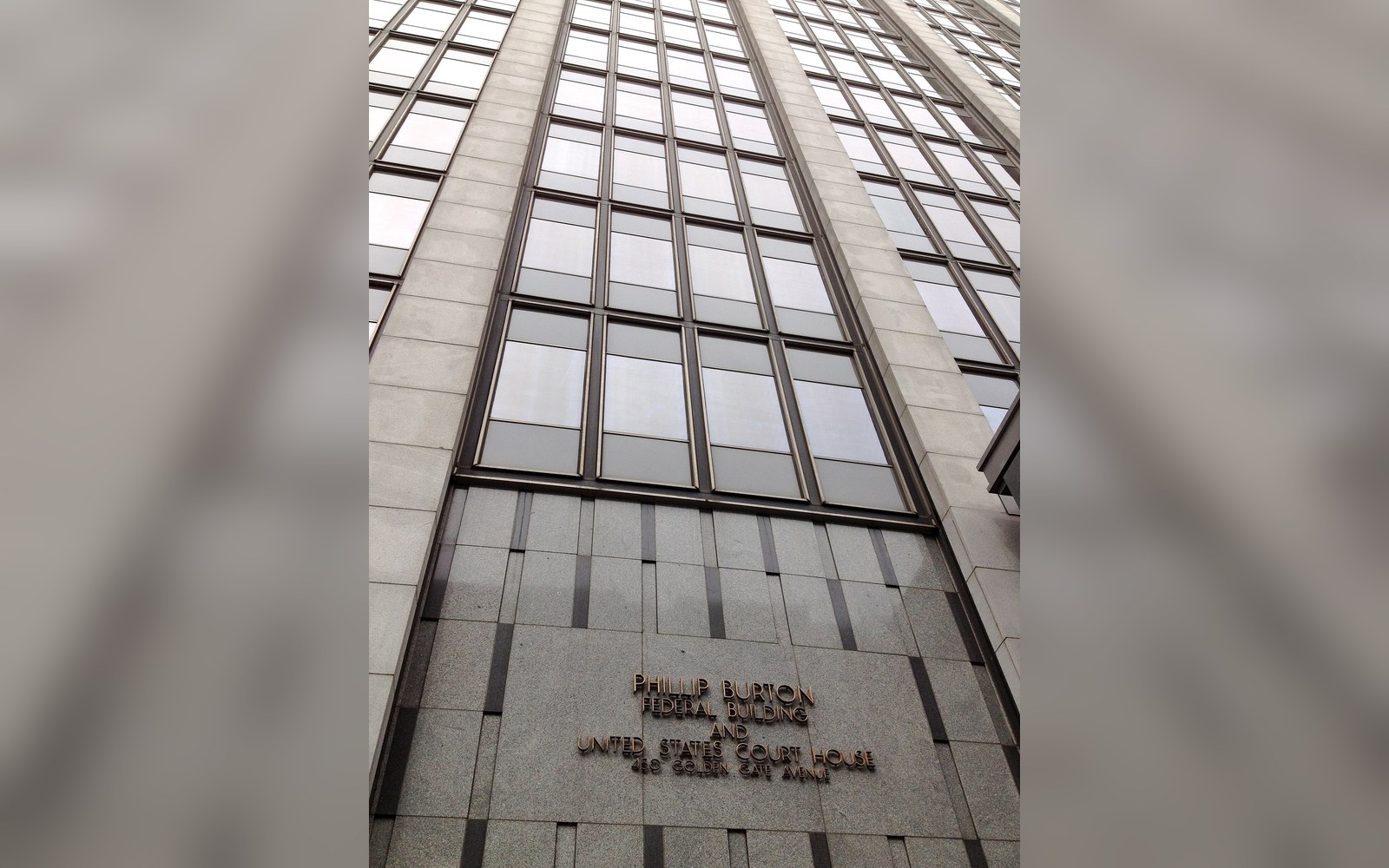
A jury of nine in the United States District Court for the Northern District of California, sitting in San Francisco, returned its verdict on 11 December 2023 after just three hours of deliberation. On every question put to them in the verdict form, they found for Epic Games. Google, they decided, had illegally monopolised the Android app distribution market.
The speed alone was striking. Three hours to resolve a case that had taken years to build, involved billions of dollars in revenue, and implicated the structure of the entire Android ecosystem. Judge James Donato had presided over the trial; the liability questions, however, belonged to the jury — a distinction that would matter considerably when the remedies phase began.

What Each Side Argued
Epic's theory was straightforward in structure, if not in evidence. Google controlled the only practical channel through which Android apps reached users: the Google Play Store. It had reinforced that control through a web of agreements with device manufacturers and carriers, along with a developer-incentive programme called Project Hug during the litigation, that paid potential competitors to stay out of the market or remain marginal. The result, Epic argued, was an illegal monopoly over Android app distribution and, separately, over the in-app billing services that processed payments inside those apps. The 30 per cent commission Google collected was, on this theory, a monopoly rent rather than a market price.
Google's defence rested on several pillars. Android was, it argued, an open platform — unlike iOS, users could and sometimes did install apps from outside Google Play, a practice known as sideloading. The commission reflected genuine value: security infrastructure, payment processing, global distribution, developer tools. And the agreements with manufacturers that Epic characterised as exclusionary were, Google maintained, legitimate business arrangements that rewarded partners for promoting Android as a platform. Competition from Apple's App Store was constant and vigorous, Google argued; the relevant market should be understood broadly enough to include it.
Chronology
- Years in litigation before trial: multiple (case filed 2020)
- Jury verdict date: 11 December 2023
- Remedies injunction issued: late 2024
- Ninth Circuit appeal of injunction: pending as of mid-2025
The jury was unpersuaded. The published verdict form ↗ shows the panel answering each question in Epic's favour — finding that Google possessed monopoly power in the market for Android app distribution, that it had wilfully maintained that power through anticompetitive conduct, and that Epic had been harmed as a result. The in-app billing market claim succeeded on the same terms.
What the Verdict Did and Did Not Decide
A jury verdict on liability in an antitrust case decides the "whether", not the "what next". Judge Donato would subsequently handle the remedies phase, issuing an injunction in late 2024 that required Google to open its ecosystem to competing app stores and to allow developers to use alternative payment processors — an order Google immediately appealed. That appeal, pending before the US Court of Appeals for the Ninth Circuit as of mid-2025, means the injunction's practical effect remained contested even after the liability finding had become final at the trial-court level.
What the verdict definitively established was the legal characterisation of Google's conduct. Project Hug — the programme under which Google paid developers including Activision Blizzard and others to keep their apps on Play and to abandon or de-prioritise rival storefronts — was found to be anticompetitive rather than promotional. The agreements with device manufacturers that pre-installed Play and made alternatives harder to reach were part of the same pattern.
The contrast with Epic's earlier case against Apple is instructive. Judge Yvonne Gonzalez Rogers, sitting without a jury in Oakland in 2021, found that Apple had not violated federal antitrust law — Epic failed to prove the relevant market claims that later succeeded against Google. Different facts, different forum, different result: Apple's closed model and Google's nominally open one led to the same practical outcome for competing stores, but only one of them produced an antitrust liability finding.
The San Francisco verdict drew an additional distinction from its Oakland counterpart in procedural terms: a unanimous civil jury found illegal monopolisation where a federal judge had not. Three hours of deliberation after weeks of testimony suggested the jury found Google's defence less than persuasive — a reading consistent with the internal documents, including the Project Hug communications, that Epic's lawyers had placed before them.